

Master the fundamentals of trading, learn how to analyse the markets, place high probability trades with confidence, manage risk effectively, move stop losses correctly and layer positions strategically to maximise profitability while protecting your capital.
Education
Our Forex, Gold Trading & Crypto Education Program is designed to take you from complete beginner to confident professional trader through a structured step by step learning journey.
Education at your Fingertips!
At Valtron, we believe education is just as important as the signals themselves. Our step-by-step tutorials and video guides help you understand everything from setting up your account and placing trades to setting stop losses, take profits, moving stops and managing open positions.
You’re also never on your own. Join a supportive community where traders can ask questions, share experiences and learn together. With practical tutorials, real trade walkthroughs and ongoing support, Valtron gives you the tools and knowledge to trade with greater confidence and understanding.
Learn. Watch. Trade with confidence.
Broker & Meta Trader 5
How to Sign up Via Vantage Markets & PUPrime
How to Connect your Meta Trader 5 Account
How to Trade!
How to add XAU/USD (Gold) to Meta Trader 5
How to Place a Trade on
Meta Trader 5
How to Place a Close a Trade on Meta Trader 5
How to enter Stop Loss &
Take Profit
How to Move your Stop Loss
into Profit!
How to Layer a
Trader Successfully!
How to Close all Trading Positions with one Button!
All your Questions Answered!
Everything you need to know before getting started. Still have questions? Contact Us
What is Valtron?
Valtron provides expert trading signals across Gold (XAU/USD), Forex, and Cryptocurrency markets, helping traders identify high-potential opportunities with greater confidence. Our signals are developed by professional analysts and supported by sophisticated trading systems, delivering timely market insights and actionable trade ideas. Whether you're trading gold, major currency pairs, or digital assets, Valtron equips you with the information needed to make informed decisions and improve your chances of achieving consistent trading success.
How do Trade Signals work?
Forex signals operate by offering traders actionable trade recommendations derived from various analytical methods. Here's an overview of their typical process:
- Signal Generation: An experienced trader or AI system creates the signal based on a combination of fundamental and technical analysis.
- Signal Compilation: All components of the signal are consolidated, including key details like currency pair, entry point, stop-loss, and take-profit levels.
- Signal Distribution: The signal is then shared with traders through channels such as email, SMS, mobile app notifications, or direct integration with trading platforms. In some cases, signals are delivered via specialized applications or services.
- Trade Execution: Traders can choose to execute the signal manually or use automated systems to act on it.
Types of Signals
Generation Method
- Manual Signals: Created by analysts using market expertise or news-based analysis.
- Automated Signals: Generated by algorithms or copy trading platforms replicating experienced traders' actions.
Analysis Method
- Technical Signals: Based on indicators (e.g., RSI, MACD), chart patterns, or market trends.
- Fundamental Signals: Derived from economic data (e.g., GDP, interest rates) or news events.
- Sentiment Signals: Reflect overall market sentiment through surveys, volume, or open interest.
Trading Style
- Scalping: Short-term signals targeting quick price movements.
- Day Trading: Intraday signals for same-day trades.
- Swing Trading: Medium-term signals capturing price swings over days or weeks.
- Position Trading: Long-term signals based on extended market trends.
Risk Profile
- High-Risk Signals: Aggressive trades with higher reward potential but increased volatility.
- Low-Risk Signals: Conservative trades focusing on stability and capital preservation.
Source
- In-House Signals: Provided by brokers or independent analysts.
- Community Signals: Shared through social trading platforms.
Each type has unique advantages and limitations. Traders should choose signals aligned with their strategy, risk tolerance, and goals.
How to Interpret Trading Signals
Forex signals usually provide key details, including:
- Currency Pair: The specific currencies involved in the trade (e.g., XAU/USD, BTC/USD).
- Action: Whether to buy or sell the currency pair.
- Entry Point: The recommended price level to open the trade.
- Stop-Loss Level: A price level to close the trade to limit potential losses.
- Take-Profit Level: A price level to close the trade and secure profits.
- Time Frame: The suggested duration for holding the trade (e.g., short-term or long-term).
How accurate are your Signals?
The reality is, no one can predict with certainty. Using signals is a personal decision made by traders based on their own strategies. While some signal providers may have stronger performance reviews than others, it's important to remember that even the most successful traders experience both highs and lows.
How to integrate Signals into your trading strategy?
Integrating Valtron into your trading strategy requires a structured approach to enhance performance without adding complexity.
Steps to Effectively Integrate Forex Signals:
- Subscription: Choose a reputable Forex signals provider that aligns with your trading style and goals.
- Set Up Alerts: Configure alerts on your trading platform to notify you when a new signal is received.
- Validate Signals: Cross-check the signals with your own analysis to ensure they fit your strategy before acting on them.
- Place Orders: Execute trades based on the signal's recommendations, applying proper risk management.
- Monitor Trades: Keep an eye on open trades and adjust them according to market conditions and new signals.
- Review Performance: After closing trades, assess the results to gauge the effectiveness of the signals and refine your strategy.
Have a Question?
Get in touch with the Valtron team today. Whether you’re ready to sign up or simply have questions, our team is here to help every step of the way.
No hidden fees. Join 5k+ Users
Valtron
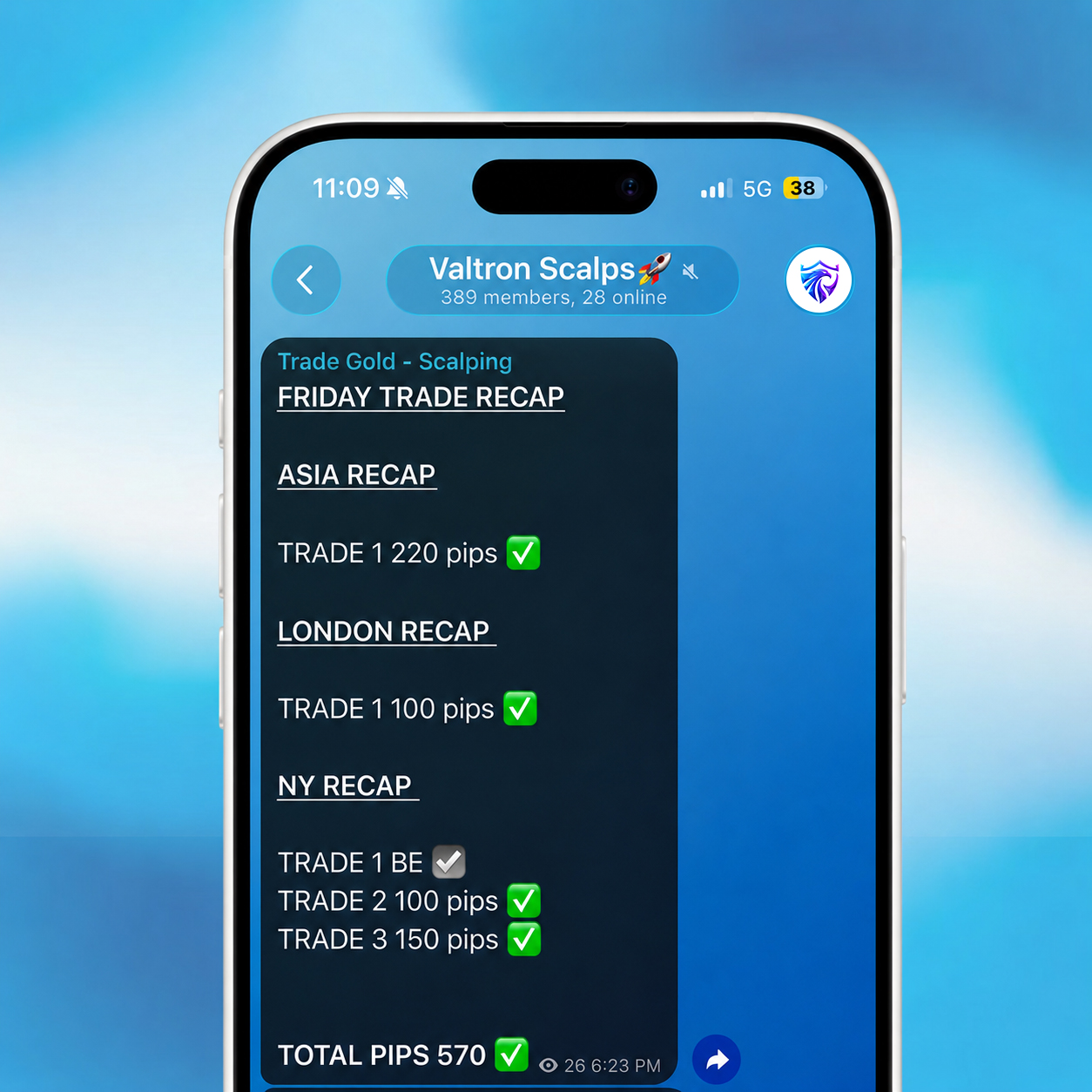
Trusted by Traders. Powered by Strategy. Valtron Delivers an 86% Success Rate Across Forex, Gold & Crypto.